RESK(L)AR

Covid-19 has affected the whole of society and presented challenges that require new solutions. The project “Innovative logistics solution for restaurants to reach people in quarantine”, abbreviated as RESK(L)AR in Swedish, has investigated how restaurants can work with home delivery services in new ways when guests cannot visit restaurants to the same extent.
The project meets two major societal challenges in pandemic times: (1) Ensuring that people in quarantine have safe access to nutritious and sustainable food and (2) the survival of restaurants.
The developed solution is based on restaurants being connected to the same last-mile solution that e-commerce for food and grocery bags uses. In the project, we researched and developed recommendations for how restaurants in this arrangement should work with offers, marketing, ordering and logistics. Different variants of the solution were tested in Gothenburg, Stockholm and Umeå.
Project Partners and financier
The project is carried out by Chalmers Industriteknik, Nordish Market, Restauranglabbet, Gordon Delivery and Where is my pony, and is financed by Vinnova through the call “Innovations in the wake of the crisis”.
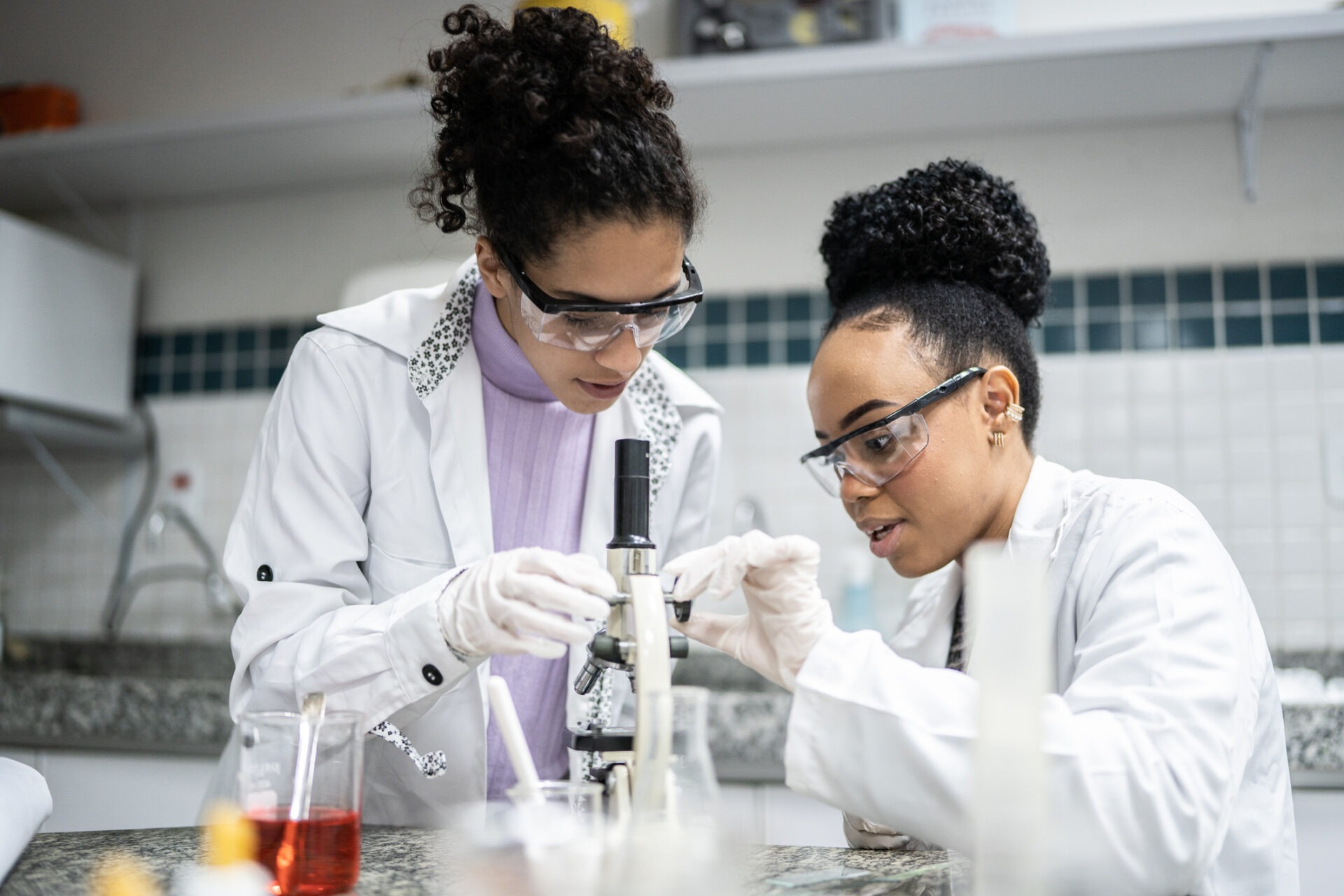
Chemistry and interdisciplinary science for everyone! On behalf of Universeum and Chalmers University of Technology
Chemistry and other STEM subjects (science, technology, engineering, and mathematics) are crucial for Sweden’s societal development and future competitiveness. According to the Swe…
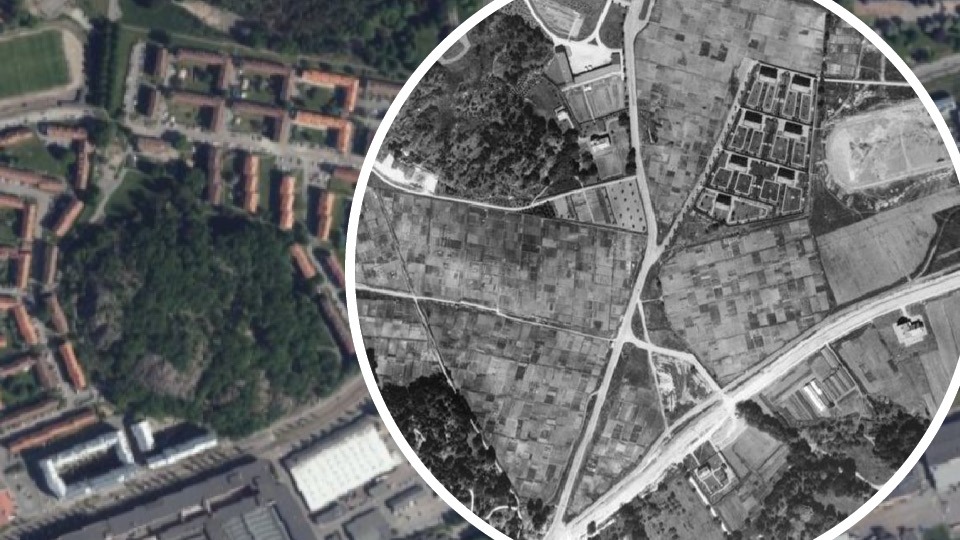
Policy Lab for Land, Food, and Preparedness – A policy lab for the sustainable use of agricultural land to enhance local food security
The Policy Lab for Land, Food, and Preparedness addresses the need for long‑term sustainable use of agricultural land to strengthen municipalities’ local food supply, preparedness…