PLA bio-based plastics from secondary raw materials

The purpose of this project is to develop a techno-economically viable production route for PLA, Polylactic acid, from second generation raw materials such as side streams from the Swedish forestry and agricultural industry.
The goal of the project is to increase the availability of PLA and thereby reduce the dependence on fossil-based plastics. By increasing the production volume of PLA from various secondary raw materials, the project is expected to promote the development of efficient, sustainable and circular business models. By applying new technologies with a focus on both economics and technology, the project is expected to create flexible and energy-efficient production units. This in turn is expected to generate more local jobs and enable future exports of materials, knowledge and technology.
Facts
The project partners are found along the entire value chain from raw material, via bioreactors and fermentation, polymerisation, “compounding” to product manufacturers and users. The financier of the project is Vinnova.
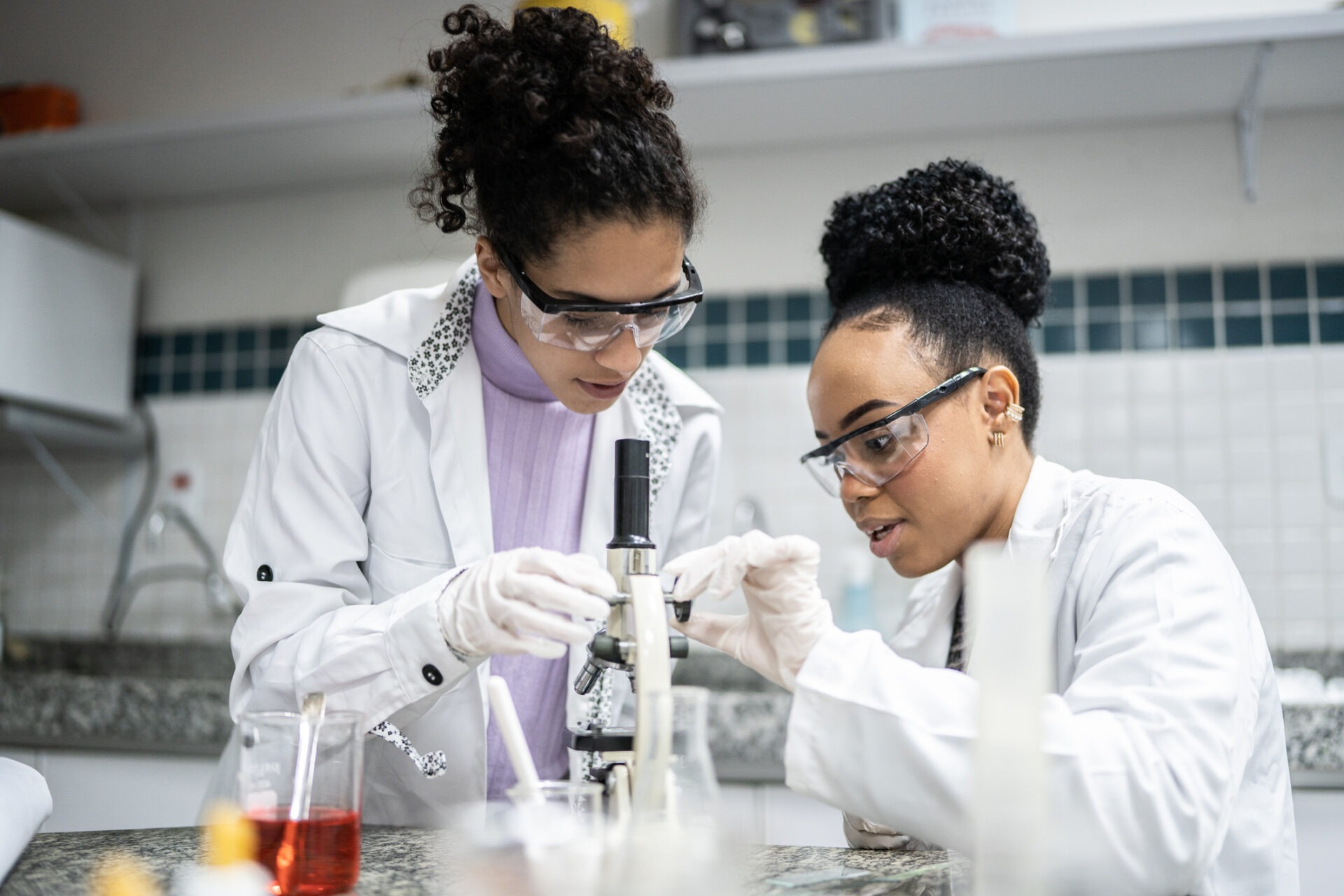
Chemistry and interdisciplinary science for everyone! On behalf of Universeum and Chalmers University of Technology
Chemistry and other STEM subjects (science, technology, engineering, and mathematics) are crucial for Sweden’s societal development and future competitiveness. According to the Swe…
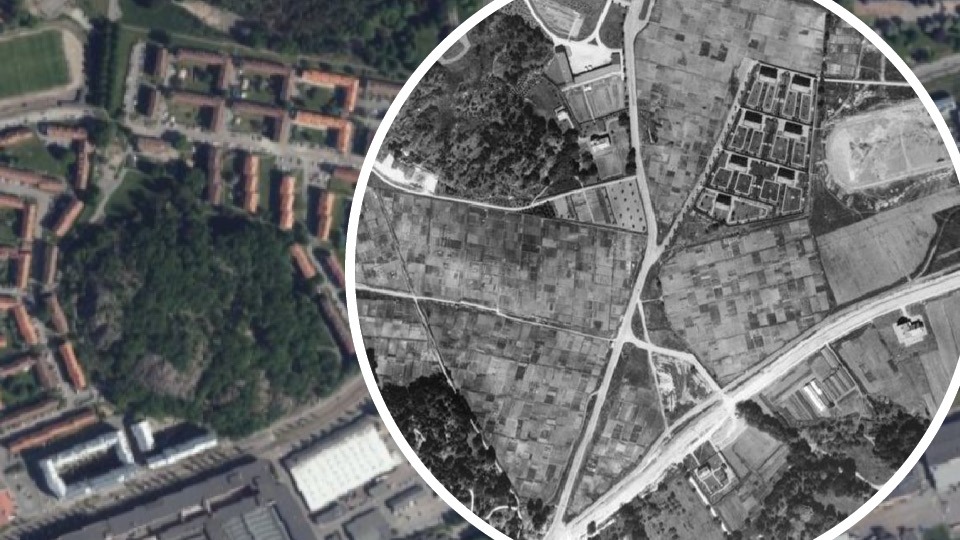
Policy Lab for Land, Food, and Preparedness – A policy lab for the sustainable use of agricultural land to enhance local food security
The Policy Lab for Land, Food, and Preparedness addresses the need for long‑term sustainable use of agricultural land to strengthen municipalities’ local food supply, preparedness…