Develop and validate AI in existing patient processes for skin cancer
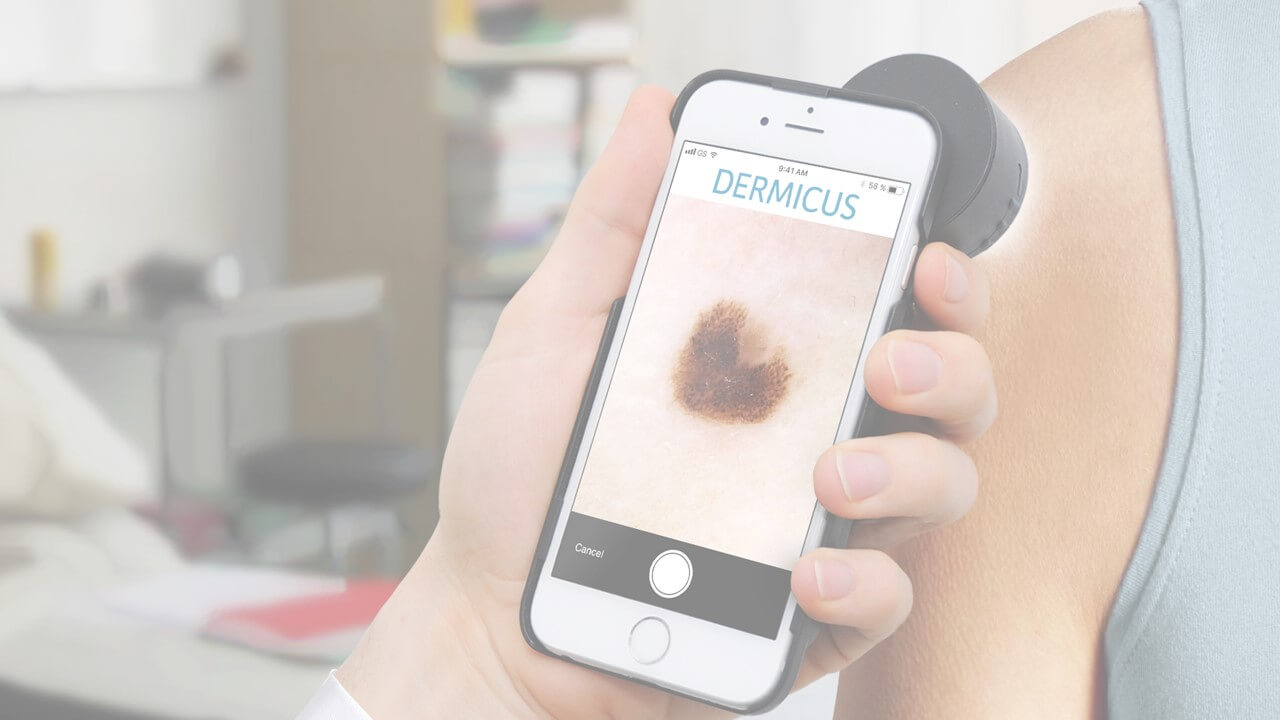
Skin cancer is one of the most common cancers in Sweden. Nearly 4,500 cases of aggressive skin melanoma are detected annually, about 500 people die every year from the disease. Primary care has limited competence to diagnose melanoma, at the same time there is a shortage of dermatologists. This leads to long waiting times even though early detection of melanoma is the most important factor for survival.
Parts of the above needs and challenges can be handled using AI products as support for dermatologists in their diagnosis and this is exactly what the project intends to develop and validate. The product idea is to develop algorithms that handle multiple skin cancer diagnoses. These will then be implemented in a teledermatoscopic process and validated in clinical activities by dermatologists and research group at Skånes University Hospital. The project covers everything from initial requirements analysis, data analysis, image processing, algorithm development to APIs, user interface, testing and finally validation by dermatologists in the daily clinical work.
Photo: Dermicus
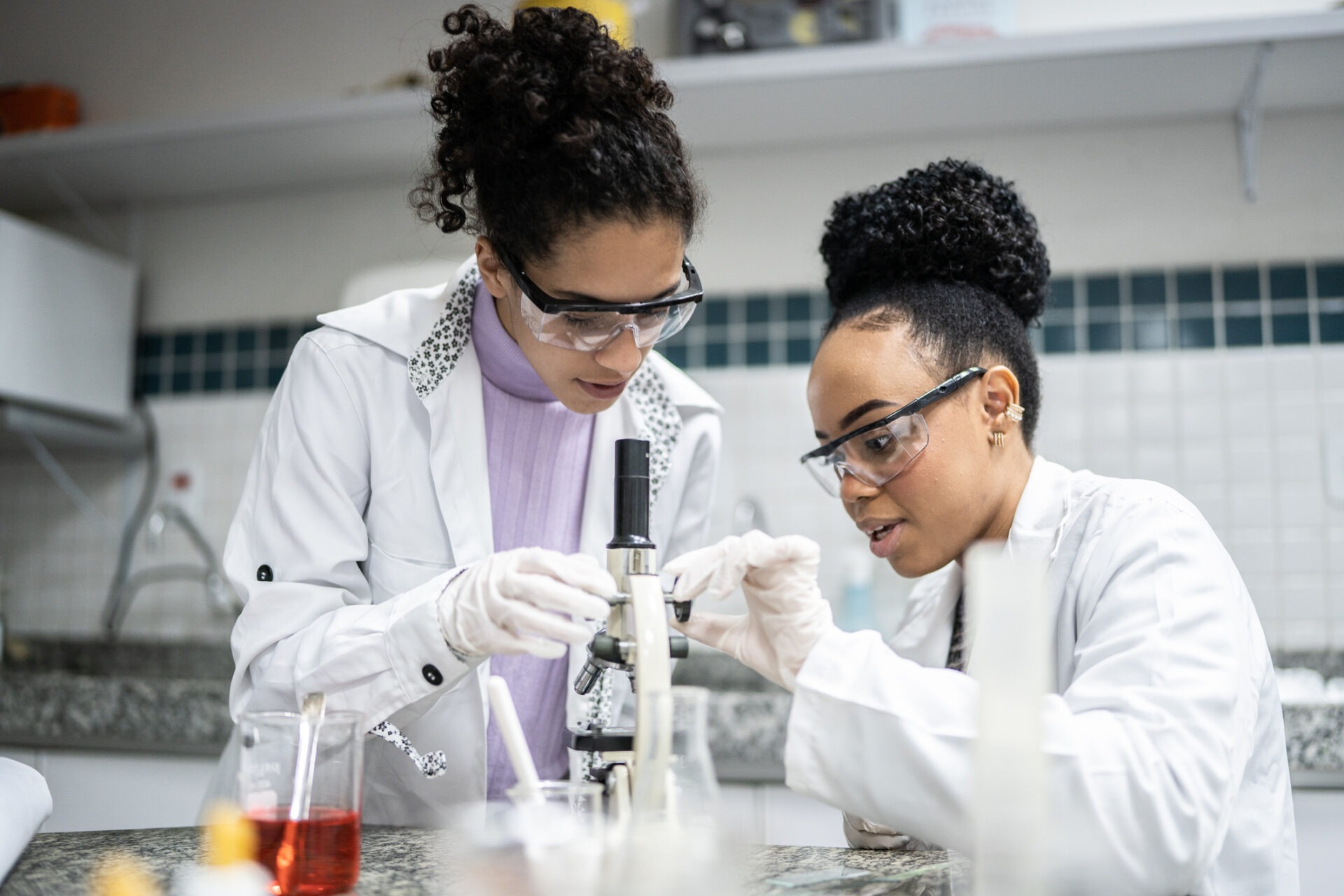
Chemistry and interdisciplinary science for everyone! On behalf of Universeum and Chalmers University of Technology
Chemistry and other STEM subjects (science, technology, engineering, and mathematics) are crucial for Sweden’s societal development and future competitiveness. According to the Swe…
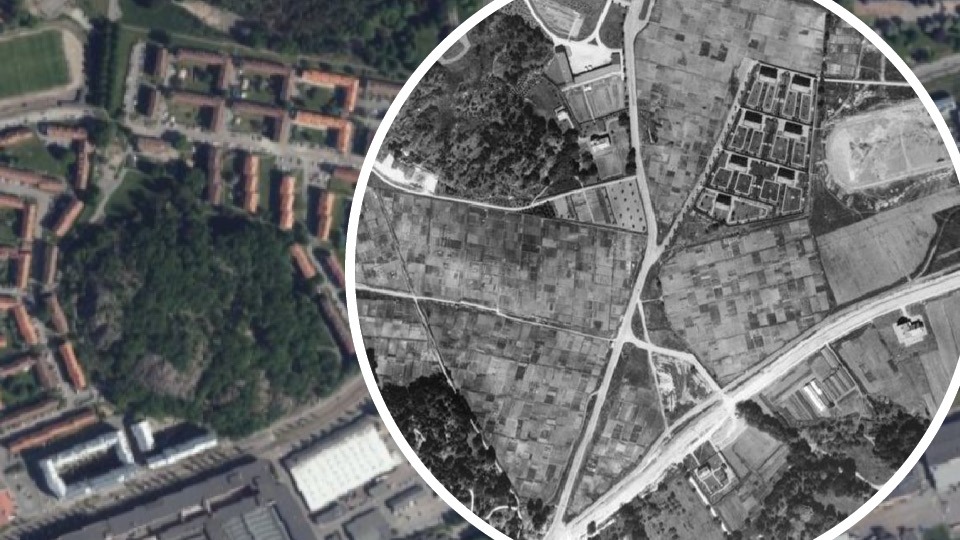
Policy Lab for Land, Food, and Preparedness – A policy lab for the sustainable use of agricultural land to enhance local food security
The Policy Lab for Land, Food, and Preparedness addresses the need for long‑term sustainable use of agricultural land to strengthen municipalities’ local food supply, preparedness…